
Analyzing the Influence of Cultural Beliefs on Healthy Lifestyle Choices
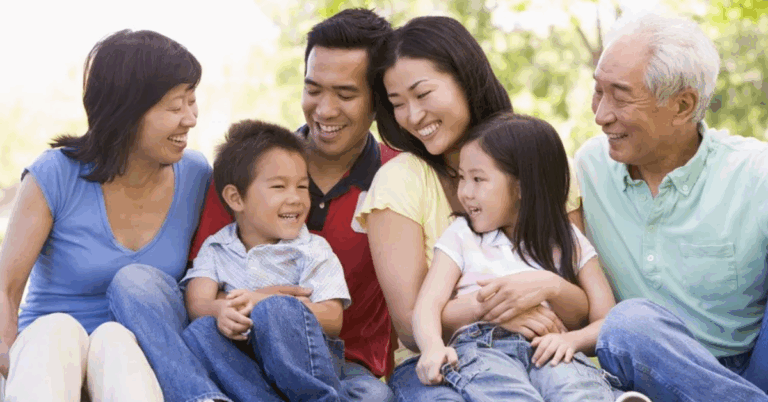
Diverse cultural backgrounds play a crucial role in shaping individuals’ health choices. Traditional practices passed down through generations often influence the ways in which people perceive and approach health and wellness. These customs can encompass various aspects, including dietary preferences, exercise routines, and beliefs about illness and healing.
As individuals navigate the intersection of their cultural norms and modern health trends, they may encounter challenges in reconciling the two spheres. While traditional practices may hold significant value and meaning, the accessibility and prevalence of modern healthcare options present alternative approaches to maintaining well-being. Understanding how cultural backgrounds impact health choices is essential for fostering culturally competent healthcare practices and promoting holistic well-being across diverse communities.
Exploring Traditional Practices and Modern Health Trends
Traditional practices and modern health trends often intersect in ways that influence individuals’ choices regarding their well-being. While modern medicine and scientific advancements have brought significant improvements to healthcare, many individuals still value and incorporate traditional practices into their health routines. This blend of ancient wisdom and modern knowledge allows individuals to cater to both their physical and cultural needs when making health decisions. For example, practices like acupuncture, herbal remedies, and mindfulness techniques continue to gain popularity alongside conventional medical treatments.
The coexistence of traditional practices with modern health trends highlights the diverse perspectives and approaches people have towards healthcare. Some individuals may choose to adopt traditional practices out of respect for their cultural heritage, while others may appreciate the holistic benefits these practices offer. Additionally, the integration of traditional practices into modern healthcare systems reflects a recognition of the importance of cultural diversity in promoting overall well-being. This harmonious relationship between tradition and modernity underscores the complexity and richness of healthcare choices individuals make today.
Impact of Cultural Norms on Diet and Exercise
Diet and exercise are essential components of a healthy lifestyle. However, the cultural norms of a society can greatly influence individuals’ choices in these areas. In many cultures, food is not just a source of nourishment but also a symbol of tradition and identity. Certain dietary preferences and restrictions, based on cultural beliefs and practices, may impact the types of foods people consume and their overall nutritional intake.
Similarly, exercise habits can also be shaped by cultural norms. Some cultures prioritize physical activity as a communal or social activity, leading to regular engagement in sports or group fitness activities. In contrast, other cultures may place less emphasis on structured exercise routines, relying instead on daily activities or traditional forms of movement for physical health. Understanding and respecting these cultural influences is crucial for promoting health and wellness across diverse populations.
How does cultural background influence health choices?
Cultural background can influence health choices through traditional food preferences, beliefs about body image, and attitudes towards physical activity.
Can traditional practices impact modern health trends?
Yes, traditional practices can have an impact on modern health trends as they may promote certain dietary habits or exercise routines that are passed down through generations.
Why is it important to consider cultural norms when promoting healthy lifestyles?
It is important to consider cultural norms when promoting healthy lifestyles because individuals are more likely to adopt and maintain healthy habits that are in line with their cultural beliefs and values.
How can healthcare professionals support individuals from diverse cultural backgrounds in making healthy choices?
Healthcare professionals can support individuals from diverse cultural backgrounds by taking the time to understand their cultural beliefs and practices, and incorporating these into personalized health plans that are tailored to their needs and preferences.