
The allure of urban exploration: discovering hidden gems in cities
Urban exploration, also known as urbex, traces its roots back to the 18th century when adventurers and archaeologists began exploring hidden corners of cities for historical and cultural purposes. However, it wasn’t until the late 20th century that urban exploration gained popularity as a recreational activity among thrill-seekers and photographers.
The rise of the internet in the 1990s allowed urban explorers to connect and share their experiences, leading to the formation of online forums and communities dedicated to this unique hobby. Today, urban exploration has evolved into a global phenomenon, with enthusiasts venturing into abandoned buildings, tunnels, and other forgotten spaces in search of adventure and the chance to glimpse a hidden side of urban life.
The Thrill of Discovering Abandoned Places
Urban explorers are driven by an innate curiosity to uncover the forgotten remnants of the past. The rush of adrenaline that comes with stepping foot into a decaying structure, knowing that it holds untold stories within its walls, is unparalleled.
The thrill of traversing through abandoned places lies in the sense of adventure that beckons explorers to push boundaries and venture into the unknown. The possibility of stumbling upon a hidden gem, a piece of history frozen in time, fuels the excitement of urban exploration.
The Art of Photographing Urban Decay
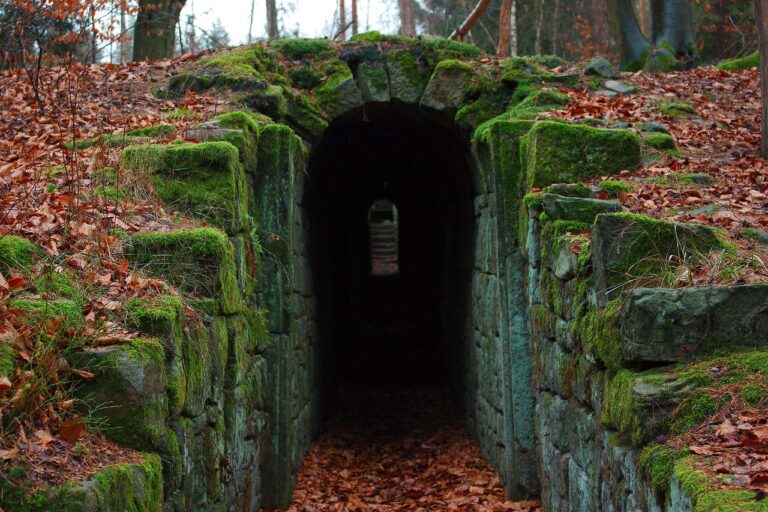
Urban decay photography is a captivating journey through deserted spaces that have been reclaimed by nature or left to the passage of time. These photographs capture the beauty in decay, showcasing the intricate textures and haunting ambiance of abandoned buildings and forgotten places. The challenge lies in finding the perfect balance between documenting the decay and highlighting the unique character of each location.
Photographers drawn to urban decay seek to tell a story through their images, evoking a sense of nostalgia, wonder, or melancholy in viewers. By using composition, lighting, and perspective to their advantage, they are able to transform the decayed surroundings into stunning works of art that provoke thought and inspire a deeper connection to the past. Each photograph becomes a window into a world that is slowly fading away, preserving moments of history that may soon be lost forever.
• Urban decay photography is a captivating journey through deserted spaces
• These photographs capture the beauty in decay, showcasing intricate textures and haunting ambiance
• The challenge lies in finding the perfect balance between documenting the decay and highlighting the unique character of each location
• Photographers seek to tell a story through their images, evoking nostalgia, wonder, or melancholy in viewers
• By using composition, lighting, and perspective to their advantage, photographers transform decayed surroundings into stunning works of art
• Each photograph becomes a window into a world that is slowly fading away
What is urban exploration?
Urban exploration, also known as urbex, is the exploration of man-made structures, often abandoned or in disrepair, in urban environments.
Is urban exploration legal?
Urban exploration can sometimes involve entering abandoned or off-limits locations, so it’s important to research and respect the laws and regulations of the area you are exploring.
Why do people enjoy urban exploration?
Many people enjoy urban exploration for the thrill of discovering hidden or forgotten places, as well as the opportunity to capture unique and atmospheric photographs.
How can I safely explore urban decay?
It’s important to prioritize safety when exploring urban decay. This includes wearing appropriate footwear, bringing a flashlight, and being aware of potential hazards such as unstable structures or hazardous materials.
What tips do you have for photographing urban decay?
When photographing urban decay, try to capture the unique textures, colors, and atmosphere of the abandoned location. Experiment with different angles and lighting to create compelling and evocative images.